Famous Faces & Risky Bets: Celebrity Endorsements in iGaming
Celebrity endorsement is probably iGaming marketing’s most expensive obsession. The question is: is it more interesting what the money buys or who it is spent on?
 Alissa Bergman

Gambling brands have long used popular names and familiar faces to build trust and credibility. From first online poker rooms to today’s billion-dollar prediction markets, where endorsements from celebrities such as LeBron James, Sydney Sweeney and Maria Sharapova make the news, the power of celebrity remains a major marketing asset.
But what does it really offer beyond visibility, and is it worth the price?
Fame Is Expensive, but Trust Is Priceless
The logic behind celebrity endorsements is clear: a familiar face can give instant recognition to any brand. For an unknown operator entering a crowded (and sometimes foreign) market, that recognition can compress years of brand marketing into a campaign.
A celebrity can introduce a product to broader audiences who would never encounter it through conventional betting advertising, give it credibility, add cultural relevance, and make it part of conversations that go beyond sports or gambling.
And yet, it’s not that simple. Data shows that a celebrity doesn’t give an iGaming brand instant credibility. In a YouGov survey of US adults, 70% said seeing a celebrity in a gambling ad didn’t change their perception of the brand. Among gamblers, 43% agreed celebrities help betting brands stand out, but 46% said celebrities make them seem less authentic. A separate international survey found only 9% of consumers believe a public figure can effectively endorse gambling products.
The type of celebrity matters too, and here the industry’s favourite choice looks not so convincing. Gamblers said actors (38%) and musicians (34%) were suitable endorsers, and only 18% of the general public polled thought professional athletes were — compared with 41% of the gamblers.
This suggests that a celebrity’s appeal is audience-dependent, and the choice of ambassador is as important as the size of their following.
The challenge here is to go beyond headlines and visibility, ensuring that public interest in and admiration for a celebrity translate into interest in the product itself.
Attention Economics and Regulatory Backlash
Influencer marketing has become standard practice in the iGaming industry. DraftKings investment of $30 million in a start-up that brokers deals with content creators highlights the growing trend of betting brands forming partnerships with online personalities to connect with their audiences.
A panel at ICE London argued that, for Gen Z, influencers work because followers feel a personal relationship and trust with them. That’s what the polling says celebrities struggle to deliver. The catch is that it’s also where exposure to young audiences is hardest to police: in UK research, 31% of young people who follow gambling content said that they had seen gambling ads from influencers or streamers.
Regulatory backlash is growing, although not every market has opted for an outright ban. In the UK, advertising rules prohibit gambling promotions featuring celebrities or influencers likely to have strong appeal to under-18s, with social media following among the factors regulators consider. In the Netherlands, celebrities have been banned from appearing in gambling advertising since 2022, and many markets have broader restrictions on gambling advertising.
The Risks
Drake and streamer Adin Ross are facing class-action lawsuits over livestreams on Kick.com, a platform allegedly created to promote Stake.us. The same complaint says Stake prominently features Drake on its website to use his influence to encourage users. The plaintiffs allege that the pair promoted gambling on livestreams while often using money provided by the platform rather than their own funds, potentially giving viewers a misleading impression of the risks involved.
As of October 2026, the case remains unresolved. However, it illustrates how celebrity partnerships can expose both the brand and its promoters to reputational risks and long legal battles. In more restricted markets, like India, consequences can be far more serious.
Even in regulated markets, such endorsements can backfire, causing criticism rather than winning approval. A January analysis of social media reactions to celebrity gambling endorsements found that comments about Wayne Gretzky’s partnership with BetMGM were four times more likely to be negative than positive, and comedian Jamie Foxx received the most criticism among the celebrities examined.
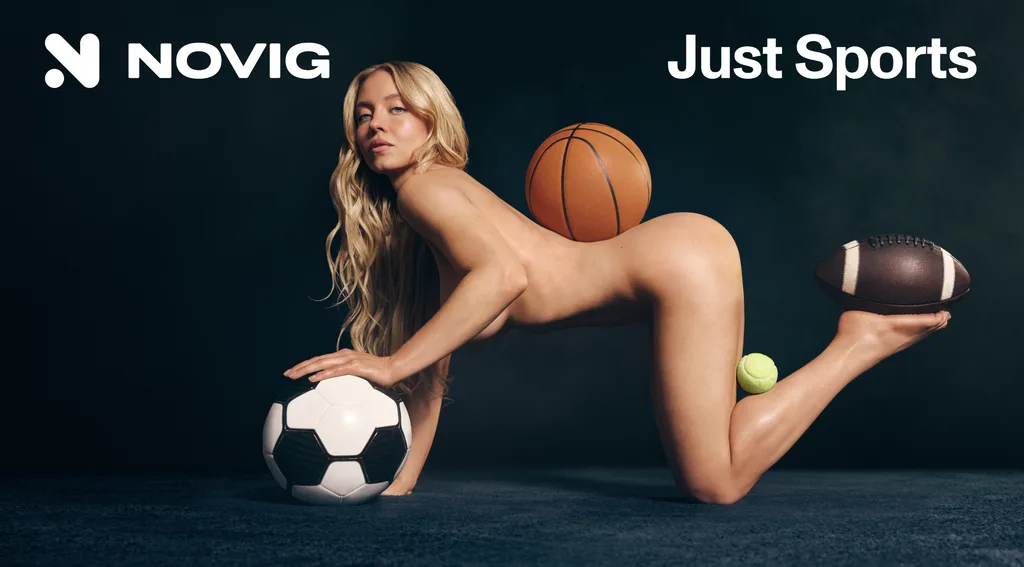
Sydney Sweeney for Novig’s Just Sports campaign. Source: Novig
Perhaps the most provocative and attention-grabbing campaign was Novig’s 2026 advertising featuring Sydney Sweeney. The actress promoted the sports prediction market in a provocative ad, which drew criticism from athletes who said the imagery sexualised women and belittled their achievements in sports.
Sweeney has an equity stake in the company, adding another layer to the relationship between celebrity, advertising, and brand recognition.
The campaign sparked discussion far beyond that of a typical product advertisement. However, the backlash also exposed another risk: the audience may end up arguing about the creative approach rather than the product being sold. It also showed that controversy can be monetized as exposure — if it brings customers.
Finally, Mike Tyson’s legal battle with Rabona over alleged unpaid sponsorship fees highlights how high-profile endorsements can turn into costly contractual disputes when payment obligations are not met.
The Measurable Impact
The actual impact of celebrity partnerships in iGaming depends on what the brand is trying to achieve.
A 2026 study published in the Journal of Interactive Advertising examined celebrity endorsements and promotional incentives in online sports betting advertisements. It found that celebrity-led ads improved brand attitudes and sharing intentions compared with brand-only ads, but did not significantly increase intentions to use the betting site. The study also found that alignment between a celebrity and a brand could improve attitudes and betting intentions.
Prediction markets that have remained unknown to wider audiences for years now are putting substantial money behind celebrity partnerships. Polymarket reportedly agreed to pay NBA star LeBron James $15 million a year for promotional work, including advertising and posts on social media. The platform has also featured former baseball star Derek Jeter and former NFL quarterback Eli Manning in its campaigns. In September 2026, tennis champion Maria Sharapova appeared in a Polymarket advertisement promoting live tennis trading, in the campaign timed to the US Open.
Their main rival Kalshi has signed NBA star Giannis Antetokounmpo as a shareholder and marketing partner. The deals show that prediction market operators are successfully using the popularity of famous athletes to gain mainstream recognition, highlighting the growing importance of celebrity marketing in the competitive landscape.