Lithuania Proposes Tighter Gambling Control and Mandatory Player Cards
The government has proposed new measures to tighten regulation, including a player ID system to track activity across online and land-based casinos and financial checks on players.
 Alissa Bergman
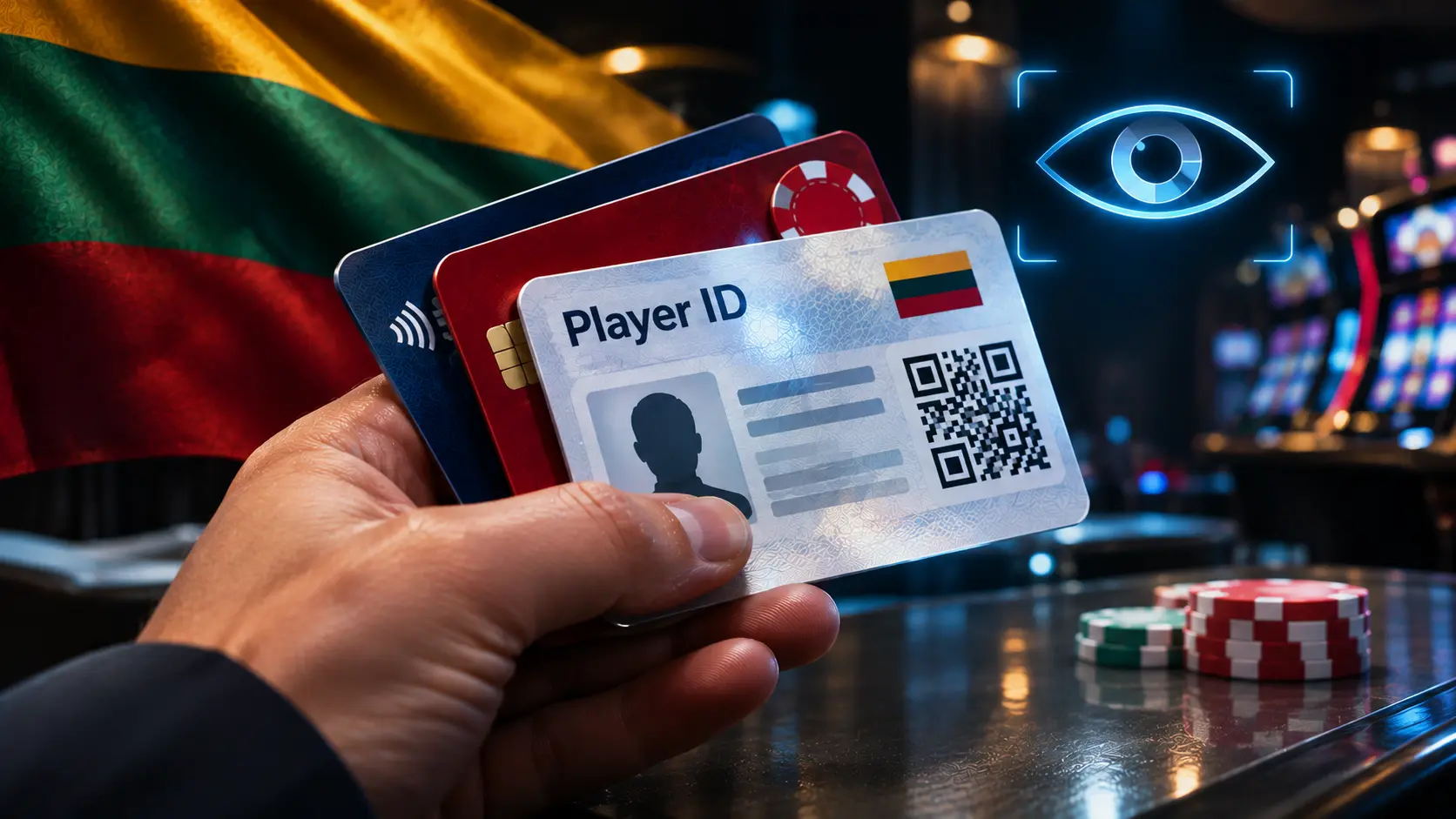
The Lithuanian government is pushing forward with its gambling reform, planning to make it obligatory for all players — whether they use online or brick-and-mortar casinos — to have a special player ID card. This will allow officials to control gambling activity throughout the country.
The amendments to the Gaming Law were approved in June 2026, and presented for consideration to the Seimas on November 10. The bill still requires Seimas approval to become state law. The draft is also listed in the European Commission’s TRIS notification system, where Malta issued a detailed opinion.
The plan would require any customer who wants to gamble, either online or at a physical venue, to have a physical or digital player card. A centralized system would keep track of deposits and winnings across operators, as well as players’ chosen spending and time limits and any restrictions. The operators would have to check customers’ eligibility to gamble through the system.
The proposed rules would also end cash transactions at brick-and-mortar casinos, as all financial transactions should go through the official electronic payment system.
Operators would have to assess customers’ financial circumstances if they set a monthly loss limit above €20,000: players would need to provide supporting documents, such as salary statements, tax returns or bank records. Those won’t be able to demonstrate sufficient financial capacity would not be allowed to gamble above the threshold.
The reform would also grant the Gambling Supervisory Authority the power to block websites that advertise unlicensed gambling or contain links to illegal gambling platforms
According to the Ministry of Finance, the general provisions are proposed to take effect on 1 May 2027, and the mandatory player cards and cashless payments would follow on 1 January 2029.